

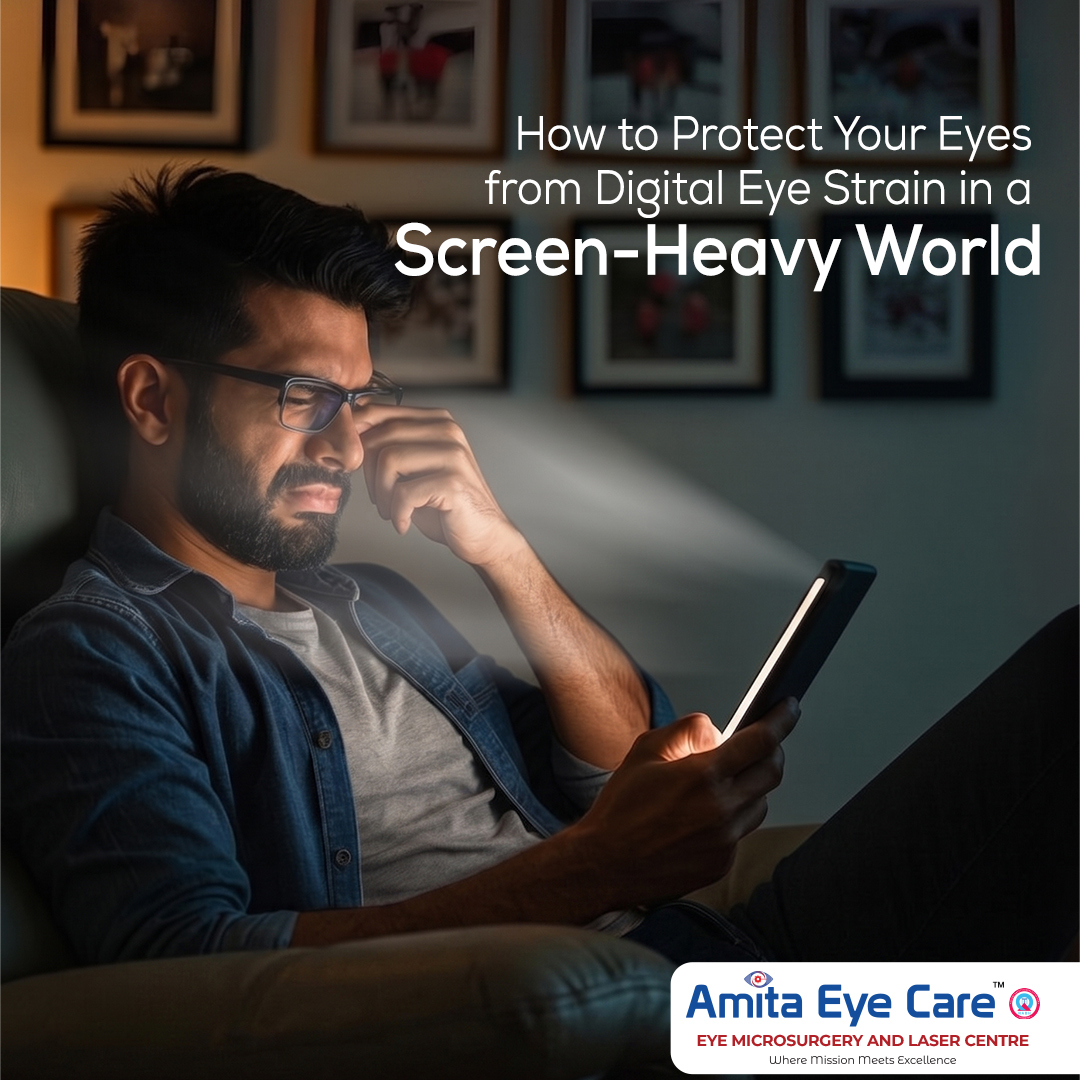
Digital Eye Strain Protection Tips
Understanding Digital Eye Strain in a Screen-Dominated World
From smartphones and laptops to televisions and tablets, prolonged exposure has made digital eye strain—also known as computer vision syndrome—a common concern. Symptoms like dry eyes, headaches, blurred vision, and neck pain are increasingly reported across age groups.
Protecting your eyes in a screen-heavy world requires more than occasional breaks. It involves understanding how the eyes function, identifying risk factors, and following scientifically backed eye care practices. With the right approach and expert guidance from professionals at Amita Eye Care Hospital, you can significantly reduce discomfort and maintain long-term visual health.
What Is Digital Eye Strain?
Digital eye strain refers to a group of eye and vision-related problems that result from prolonged use of digital devices. When you focus on screens for extended periods, your eyes work harder than usual due to reduced blinking, continuous focusing effort, exposure to blue light, and glare or poor lighting conditions.
Unlike reading from paper, digital screens demand constant adjustment from the eye’s focusing system, known as accommodation. This leads to fatigue in the ciliary muscles, which are responsible for focusing.
Key Symptoms to Watch For
- Dry or irritated eyes
- Blurred or double vision
- Eye fatigue
- Headaches
- Difficulty focusing
- Neck and shoulder pain
Why Screens Cause More Strain
Reduced Blinking
Normally, humans blink around 15–20 times per minute. During screen use, this drops significantly, leading to tear film instability and dryness.
Blue Light Exposure
Digital screens emit high-energy visible (HEV) blue light, which may contribute to visual discomfort and disrupt sleep patterns by affecting melatonin production.
Poor Ergonomics
Improper screen positioning forces the eyes and neck into unnatural angles, increasing strain.
Glare and Contrast Issues
Reflections and poor contrast settings make the eyes work harder to maintain clarity.
Effective Ways to Protect Your Eyes
1. Follow the 20-20-20 Rule
One of the most effective techniques to reduce strain is the 20-20-20 rule: every 20 minutes, look at an object 20 feet away for at least 20 seconds. This allows the eye muscles to relax and reduces fatigue.
2. Optimize Your Screen Setup
- Keep the screen at eye level or slightly below
- Maintain a distance of 20–28 inches from your eyes
- Use anti-glare screens if needed
- Adjust brightness to match your surroundings
3. Increase Blink Awareness
Consciously blinking more often helps maintain a stable tear film and prevents dryness. In some cases, doctors may recommend lubricating eye drops to support moisture levels.
4. Adjust Lighting Conditions
Avoid using screens in dark rooms. Ensure balanced ambient lighting, prevent direct light on the screen, and use curtains or filters to reduce glare.
5. Limit Continuous Screen Time
Break long sessions into shorter intervals. Continuous exposure increases the risk of visual fatigue and reduces productivity over time.
Role of Nutrition in Eye Health
Diet plays a crucial role in maintaining healthy vision. Important nutrients include vitamin A for retinal health, lutein and zeaxanthin for blue light protection, and omega-3 fatty acids for tear production.
Foods like leafy greens, carrots, fish, and nuts contribute to long-term eye protection.
Blue Light Protection: Is It Necessary?
Blue light filters and glasses are widely used, but their effectiveness varies. While they may reduce glare and improve comfort, they should not replace healthy screen habits.
The primary focus should remain on proper screen time management, balanced lighting, and regular breaks.
Importance of Regular Eye Check-Ups
Many people ignore early symptoms of digital eye strain, assuming they are temporary. However, underlying conditions like refractive errors, dry eye syndrome, or binocular vision issues may worsen without proper diagnosis.
Routine eye examinations help detect vision problems early, assess tear film quality, identify screen-related stress patterns, and recommend corrective lenses if needed.
Professional care from specialists at Amita Eye Care Hospital ensures comprehensive evaluation and personalized treatment.
Special Considerations
Children
Increased use of digital learning has made children more vulnerable to eye strain. Limiting screen time and encouraging outdoor activities are essential.
Working Professionals
Extended working hours on computers increase the risk of chronic eye fatigue. Implementing ergonomic practices and scheduled breaks becomes crucial.
Long-Term Effects of Ignoring Eye Strain
- Chronic dry eyes
- Persistent headaches
- Reduced work efficiency
- Sleep disturbances
- Increased dependency on corrective lenses
Building Healthy Digital Habits
- Take regular screen breaks
- Maintain proper posture
- Stay hydrated
- Blink frequently
- Schedule regular eye check-ups
Conclusion
Digital eye strain is a growing concern in today’s screen-dominated world, but it is highly manageable. By understanding how screens affect your eyes and adopting practical strategies, you can reduce discomfort and protect your vision effectively.
Small changes in daily habits, combined with expert guidance, can go a long way in maintaining healthy eyes. Prioritizing eye health today will help you stay productive, comfortable, and focused in the digital world ahead.